Virtual owners' meetings in Spain: when they are legally valid
Voting from the sofa is possible if it is done properly. What the notice must include, how identity and votes are verified, and which mistakes open the door to a legal challenge.
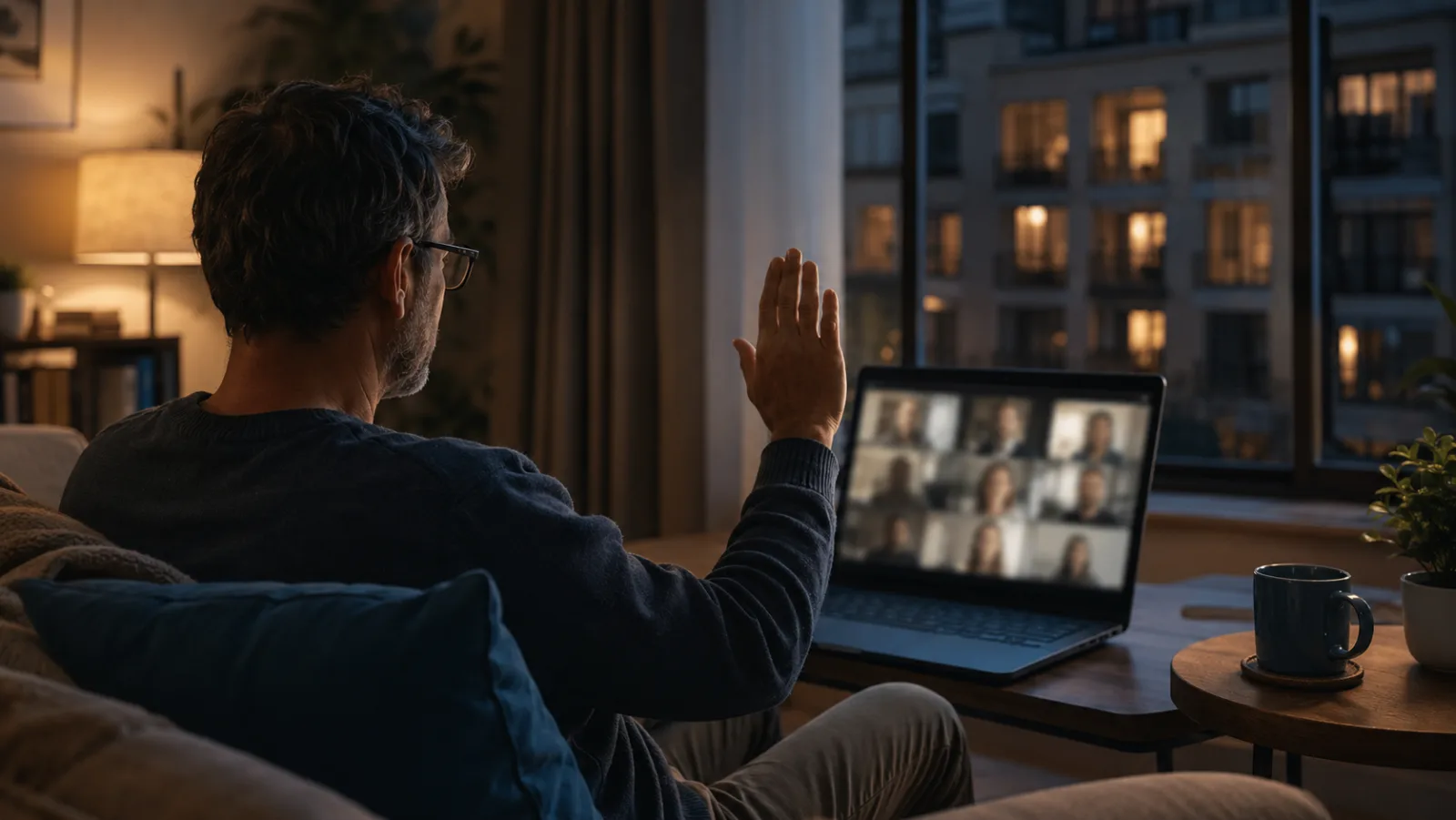
Yes, a Spanish owners' meeting held by videoconference can be valid even though the Horizontal Property Act (LPH) does not regulate it. The notice must announce the format at least six days ahead for the annual meeting (article 16), the secretary must verify each attendee's identity, and every vote must be recorded by owner and quota.
For an owner who lives in Manchester or Munich and has a flat in Alicante, that is the difference between voting and handing a proxy to a neighbour. It only works if the meeting is set up so that nobody can later say they were shut out.
Is a meeting by videoconference valid?
The LPH neither forbids nor regulates it: the consolidated text on the official gazette, last updated on 21 March 2026, still does not mention videoconferencing. The only national rule that did was Royal Decree-law 8/2021, which allowed virtual meetings until 31 December 2021 on two conditions: every owner had the means to connect, checked by the administrator beforehand, and the secretary verified the attendees' identity and recorded it in the minutes.
Those two conditions remain the best guide to what a community would have to prove if a virtual meeting were challenged. Catalonia is on firmer ground: its civil code allows attendance by videoconference when the statutes provide for it or the meeting agrees to it (article 553-22). Everywhere else, your protection is procedural.
What must the notice say?
The usual rules of article 16 apply: who calls the meeting, the agenda, place, day and time. The "place" now includes the platform. If the notice does not announce the virtual format, holding the meeting online is the quickest route to a challenge.
- The format: virtual or hybrid, with the in-person option if there is one
- The platform, the link and basic instructions
- An alternative for anyone who cannot connect: attending in person, by phone, or by proxy
- How and by when to send a written proxy
The hybrid format is the hardest to attack, because nobody can claim the door was closed. Community software such as Vecinly sends the notice with the link, the agenda and the proxy register in one place and records who received it.
Identity, votes and absent owners
The secretary verifies each attendee (camera on, ID shown if in doubt, or an individual link) and records it in the minutes. Votes must be recorded by name, because Spanish resolutions count both owners and quotas (article 17), and a show of hands on screen cannot rebuild that double count later. A proxy only needs a document signed by the owner (article 15); a signed scan sent before the meeting is enough. Take a roll call at the start and before each vote, because a dropped connection mid-count is the first thing a challenger will raise, and it is far easier to deal with when the minutes show exactly who was online at each moment and who had handed over a proxy instead.
Owners who do not connect count as absent. With some exceptions, article 17.8 counts an absent owner as voting in favour if, once told of the resolution, they do not object to the secretary within 30 calendar days. For owners abroad, that notification is often the real vote.
The minutes
The minutes follow article 19: date and place, who called the meeting, attendees and proxies with their quotas, the agenda and each result. Add that the meeting was virtual and that the secretary verified identities. The president and secretary sign within ten calendar days, and resolutions take effect from that signature, not from the vote.
Can a virtual meeting be challenged?
Yes, on the grounds in article 18: resolutions contrary to the law or statutes, seriously harmful to the community, or an abuse of rights. The deadline is three months, or one year if the resolution breaches the law or statutes; for absent owners it runs from notification. The weak spots are an unannounced format, identities nobody can prove, an owner who could not get in because of the organisers, and votes nobody can reconstruct.
Can a Spanish owners' meeting be held by videoconference?
Yes. The LPH does not forbid it, as long as the notice announces the format, every owner can attend and vote, and the secretary verifies identities and records it in the minutes.
What happens if I don't join the online meeting?
You count as absent. With some exceptions, your vote is added as a yes unless you object in writing within 30 calendar days of being notified of the resolution.
This matters most in votes that need a reinforced majority, such as banning or limiting tourist flats, and in communities that run without a professional administrator. Our page on international communities explains how we handle buildings with owners in several countries.
Information updated September 2026. This article is for information purposes only and does not constitute legal advice. It refers to Spanish law.
Available in 5 languages
Keep reading

Try the specialized platform for your community
Organize maintenance, communication and management easily.