Is a property manager mandatory in Austria? What the law says
Most owners assume an Austrian condominium must hire a professional Hausverwaltung. It does not: self-management is allowed under the WEG 2002, with clear rules.
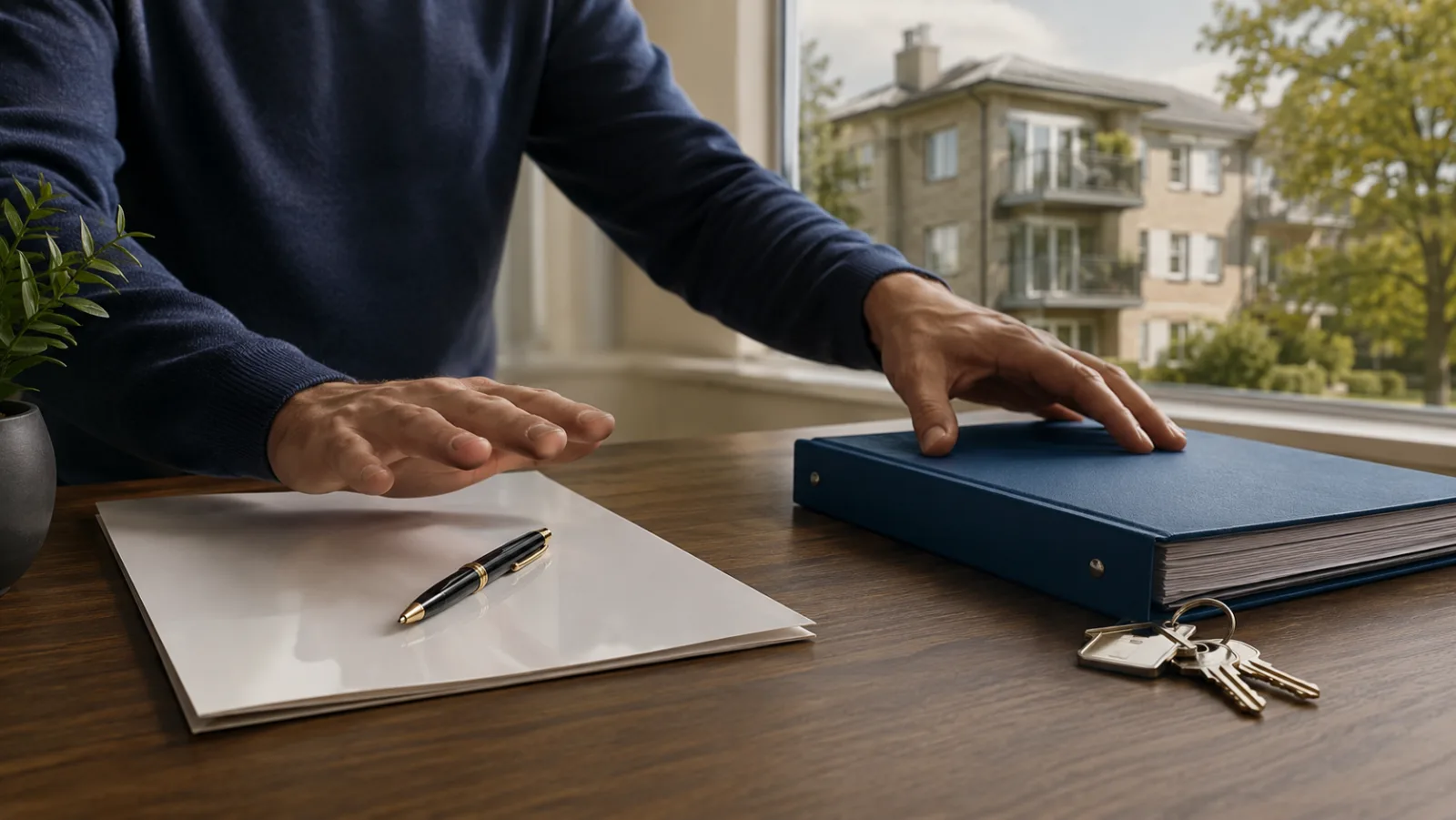
No. An Austrian owners' association "may" appoint a property manager (section 19 WEG 2002) but is not required to. Without one, the owners holding a majority of the co-ownership shares represent the association. A manager appointed for an indefinite term can be given three months' notice to the end of the accounting year.
This is Austria's Condominium Act, not the German law of the same name. If you own a flat in Vienna, Graz or the Tyrol from abroad, the practical question is usually the reverse: whether you can get rid of a manager who does little and bills a lot.
Ending the management contract
Appointing a manager and ending the contract are matters of ordinary administration decided by majority (section 28(1) no. 5). Since the 2022 reform, majority means either a majority of all shares or two thirds of the votes cast, provided those votes represent at least a third of all shares (section 24(4)). An open-ended contract can be terminated with three months' notice to the end of any accounting period, so by the end of September for 31 December (section 21). A contract signed for more than three years becomes terminable after three. For good cause the association can end it at any time, and for gross breaches any single owner can ask the court to dissolve it.
Running the building yourselves
Either the owners appoint one of themselves as manager, who then carries the full legal duties, or they manage jointly without a formal manager. Most duties in the Act are written for a manager, but a self-managed association should still meet them: the annual accounts within six months of the year end (section 34), a meeting at least every two years, and a forecast of planned works. The reserve is a duty on the owners themselves, currently at least 1.12 euros per square metre a month; see our article on the minimum reserve fund in Austria.
Resolutions must be posted in the building and sent to every owner in writing (section 24(5)). The one-month window to challenge a resolution runs only from the posting, so a decision taken on the stairs and never posted stays open to challenge indefinitely. Resolutions can also be passed in writing, without a meeting, which saves small buildings a lot of evenings.
Who signs, and the safety net
Without a manager, the owners holding a majority of shares represent the association towards insurers, banks and tradespeople (section 18(3) no. 2). Name one contact person anyway. If self-management breaks down, any owner, or a third party with a legitimate interest, can ask the court to appoint a provisional manager (section 23).
Large buildings with a lift, an underground garage, a major renovation ahead or owners at odds usually do better with a professional. Four to ten flats, one owner with time and a head for numbers, and no repair backlog is the classic case for doing it yourselves. For what the annual accounts must contain, see the condominium annual statement in Austria.
Is a Hausverwaltung mandatory in Austria?
No. Section 19 WEG 2002 allows the association to appoint a manager but does not require it. Without one, the owners holding a majority of shares represent the association.
How much notice is needed to end an Austrian management contract?
Three months to the end of the accounting period, usually 31 December, for a contract of indefinite term. For good cause it can be ended at any time.
Check whether your contract has a fixed term and when the accounting period ends before you put the termination to a vote. Vecinly handles the part self-managed buildings used to struggle with, from charges and receipts to delivering every resolution to every owner in their own language; see our page on international owners' associations.
Information updated September 2026. This article is general information on Austrian law and is not legal advice.
Available in 2 languages
Keep reading

Try the specialized platform for your community
Organize maintenance, communication and management easily.