Minimum reserve fund in Austrian condominiums: the new rate
Austria has raised the legal minimum reserve contribution for condominium communities, and many monthly statements still show the old rate. Here is how to check yours.
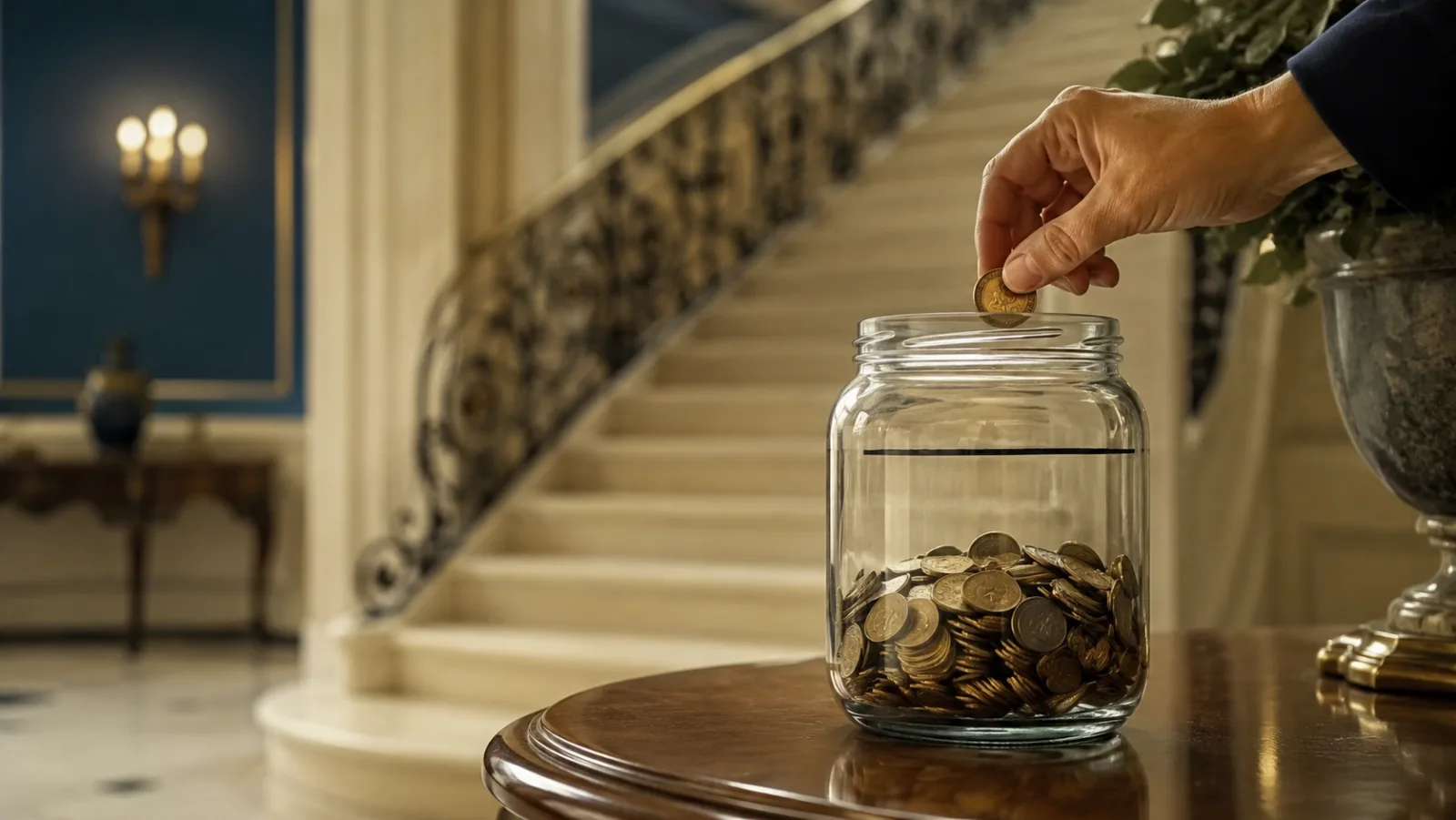
Since 1 January 2026 the legal minimum reserve for an Austrian condominium is 1.12 euros per square metre of usable floor space per month, up from 1.06 euros. It applies to the building as a whole: the floor space of all units times 1.12 euros. Owners may go below it only in the cases listed in section 31(1) of the Austrian WEG 2002.
A word on scope: this is Austria's Condominium Act, not the German WEG of the same name. Germany has no statutory minimum at all.
Where the figure comes from
Every owners' association (Eigentümergemeinschaft) must build an adequate reserve (Rücklage), with an eye on future thermal renovation. Since the 2022 reform there is a floor of 0.90 euros, indexed every two years to the June consumer price index against June 2021 (section 31(5)). The Austrian Economic Chamber publishes each new amount and calculated 1.12 euros for 2026, valid until the end of 2027. For a building with 1,000 square metres of usable space, that is at least 1,120 euros a month.
Going below the floor is allowed only if an adequate reserve is secured anyway: a reserve that is already exceptionally large, a building that was recently built or thoroughly renovated, or terraced and detached houses whose owners have taken over maintenance themselves.
Your share, and what happens when you sell
Each owner pays according to their co-ownership share at the end of the accounting period (section 32(1)). Shares are based on the unit's utility value (Nutzwert), so a terrace or a parking space with its own value raises yours. A different key needs the written agreement of all owners.
The money sits in an account of the association that every owner can inspect (section 31(2)). Contributions are not refunded when you sell; they stay with the building. If you are buying in Vienna or Salzburg from abroad, ask for the reserve balance and the last statements before you sign.
A higher reserve, and a manager who does not adjust
The owners can set a higher contribution by majority as ordinary administration (section 28(1) no. 2): a majority of all shares, or two thirds of the votes cast if they represent at least a third of all shares. An older building facing a new roof or a thermal renovation usually needs far more than the minimum. The manager's annual forecast (Vorausschau), due by the end of each accounting period, has to state the reserve contributions the planned works require (section 20(2)).
The increase applies by law, with no vote needed. Check your monthly statement and the annual accounts, which the manager must send within six months of the year end (section 34). If the new rate is missing and a written reminder does not help, any single owner can ask the district court to order an adequate reserve (section 30(1) no. 2).
What is the minimum reserve for an Austrian condominium in 2026?
1.12 euros per square metre of usable floor space per month, calculated on all units of the building, from 1 January 2026 to the end of 2027.
Do I get my reserve contributions back when I sell?
No. The reserve belongs to the owners' association and stays with the building.
How other European countries set the legal minimum is compared in reserve funds across Europe, country by country.
Put January's statement next to December's. For how the reserve appears in the annual accounts, see the condominium annual statement in Austria; for buildings that run without a manager, see is a property manager mandatory in Austria?. Vecinly shows every owner the reserve balance at any time and in their own language; see our page on international owners' associations.
Information updated September 2026. This article is general information on Austrian law and is not legal advice.
Available in 2 languages
Keep reading
Try the specialized platform for your community
Organize maintenance, communication and management easily.